
Researchers have tested sniffing essential oils for pain in over 170 trials, UCLA Health reports.
Some claims on bottles go well past the proof.
So I’ll walk you through 5 aromatherapy benefits, how strong each one is, and how to start safely.
What Is Aromatherapy?
Aromatherapy is the use of essential oils, which are strong plant extracts, to help your health or well-being. It’s one part of the wider benefits of essential oils.
You can use it in 3 main ways:
- Inhaling: scent from a diffuser, an inhaler or steaming water, the easiest start, as these diffuser benefits show.
- Massage: oil diluted in a carrier oil, as in an aromatherapy massage.
- Baths: oil mixed into a carrier oil before it goes in the water. Compare the oils for a bath.
How Does Aromatherapy Work?
Aromatherapy works through your sense of smell: scent signals travel from your nose to the limbic system, the part of your brain tied to emotions and memory.
Cleveland Clinic says your brain then releases hormones like serotonin and dopamine. That’s why a scent can ease anxiety and change how much pain you notice.
5 Aromatherapy Benefits, Strongest First
Aromatherapy has its best proof for short-term anxiety and sleep, some for pain, and mixed results for mood and memory.
Less Anxiety
Aromatherapy may help manage anxiety. Cleveland Clinic says it works best for state anxiety, the short-term worry of a stressful moment like an MRI or surgery.
Lavender is the usual pick. “If you’re experiencing anxiety, try lavender,” says Dr. Elizabeth Ko of UCLA Health.
Compare the oils for stress and anxiety or the calming diffuser oils.
Better Sleep
Aromatherapy may help you sleep better. A review of 30 studies found, with moderate confidence, that it may improve sleep in older adults, UCLA Health reports.
The twist? Massage with oils added more sleep time than just breathing them in.
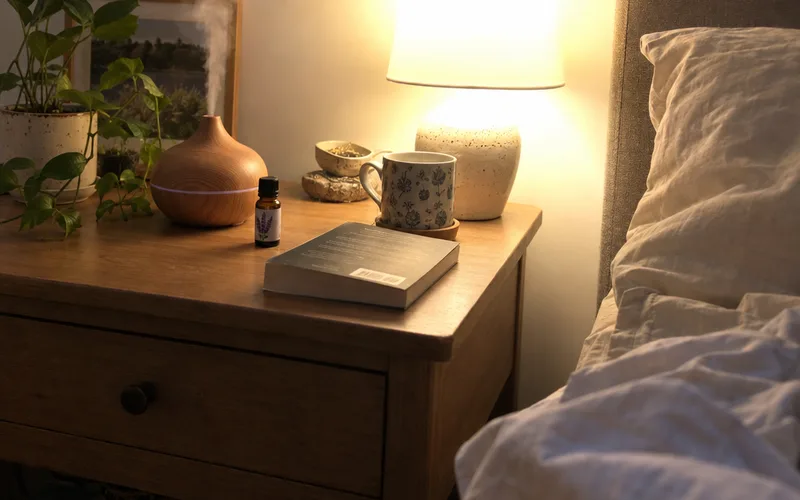
“Lavender is the most studied essential oil,” Dr. Ko says, and lavender oil may add deep sleep. See the best oils for sleep, where to put lavender and lavender’s side effects.
Pain Relief
Breathing in essential oils may ease some pain, according to a review of over 170 trials that UCLA Health describes. It won’t cure the cause, but Dr. Ko says it may lower how much pain you feel.
For pain, the Arthritis Foundation suggests bergamot with lavender, ginger for massage and green apple for headaches. For massage, compare the oils for massage.
Better Mood
Aromatherapy may lift your mood, and citrus oils are the usual pick.
“Citrus oils like bergamot or lemon tend to be uplifting and promote happiness,” Dr. Ko says.
But don’t use oils to treat depression. A study published in 2022 found aromatherapy didn’t ease depression in people with cancer.
For everyday low moods, try the oils for mood and oils for energy.
Memory and Focus
Aromatherapy may help memory, but the proof is thin. In one small study UCLA Health describes, adults aged 60 to 85 ran a diffuser for 2 hours every night.
After 6 months, some memory and brain scores rose more than 200%. Other studies didn’t see this, so treat the oils for memory, oils for focus and rosemary in a diffuser as an extra.
Does Aromatherapy Actually Work?
Aromatherapy works for some goals, like short-term anxiety and insomnia, but not others, and Cleveland Clinic calls the evidence mixed. A 2020 review found too little proof that it helps dementia.
Why do studies disagree? Many mix oils with massage, which also eases tension, many are small, and if you expect lavender to relax you, you may feel calmer anyway.
Key Takeaway: Use aromatherapy for calm and sleep, and keep your doctor’s plan for everything else.
Risks and Who Should Skip Aromatherapy
Aromatherapy’s main risks are skin redness, rashes and sun sensitivity. Cleveland Clinic says to ask your doctor first if you’re pregnant, have epilepsy or asthma, or take prescription drugs.
Some oils aren’t safe for aromatherapy in pregnancy, and clove and cinnamon bark oils irritate skin most.
Never drink essential oils, keep them away from kids and pets, and read the essential oil safety rules first.
How to Start Aromatherapy Safely
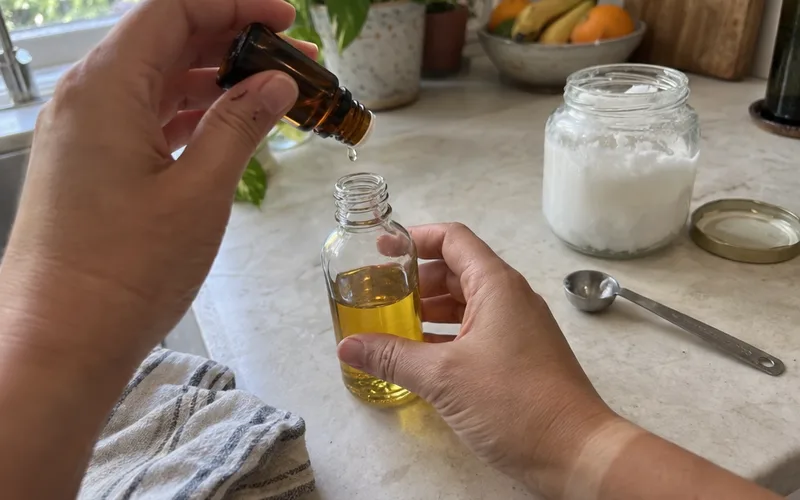
Start aromatherapy with one oil and a weak 1% to 2% blend: experts suggest 6 to 10 drops per ounce of carrier oil, UCLA Health says.
- Pick lavender for calm or sleep, or a citrus oil for mood.
- Use a diffuser, or add up to 6 drops to an ounce of hot water for a steam.
- For massage, aim for about 1% in a carrier like coconut oil, using this dilution math.
- If your skin turns red, stop and follow these steps for a reaction.
More Aromatherapy Guides
Each guide goes deeper on one oil or method:
- Peppermint oil in a diffuser and tea tree diffuser benefits
- Eucalyptus oil in the bath and peppermint oil in the bath
- Aromatherapy vs Swedish massage
- Frankincense’s spiritual benefits, bergamot’s spiritual side, geranium’s spiritual uses and sandalwood scent benefits
Your Next Step
Aromatherapy helps most with calm and sleep.
Tonight, run a diffuser with lavender before bed and see how you sleep.
Frequently Asked Questions
Is aromatherapy good for health?
Aromatherapy can be a healthy, low-risk extra for anxiety, sleep and pain, but it doesn’t replace medical care. UCLA Health’s Dr. Elizabeth Ko calls it “a low-risk, low-tech, low-cost approach.”
Where is the best place on the body to apply essential oils?
Your wrist is the easiest place for a diluted essential oil, and Dr. Ko says smelling a drop there works faster than a diffuser.