
Sarah Nakamura
I grew up in Asheville, North Carolina, where half the neighbors seemed to keep rosemary by the front steps and a jar of something steeping on the kitchen counter. I was the kid who wanted to know why the jar was supposed to work, and I still am.
For eleven years I worked behind the counter of a small herb and apothecary shop in a mountain town outside Asheville. Most days brought the same handful of questions in different clothes. Which carrier oil should I put this in? How many drops is too many? Can I use this around my baby, my dog or my cat? I kept a dog-eared notebook under the register and did dilution math on the backs of receipts, because people deserved a real number instead of a shrug.
The counter also taught me to be skeptical. I met people with red, angry patches of skin where they had dabbed undiluted oregano oil, and people holding printouts that promised one oil could fix nearly anything. So I started asking one question about every claim: why should this be true? Sometimes the answer was a decent clinical trial. Sometimes it was a single study in a petri dish, and sometimes there was nothing behind it at all.
These days my favorite place is out among my raised herb beds, where the lavender, lemon balm and rosemary make the case for plants better than any label could. Call Me Oil is where I write down the answers I used to give across the counter, with the drop counts spelled out, the safety limits up front and the evidence weighed honestly. If an oil is not the right answer for what you are dealing with, I would rather tell you that plainly.
Articles by Sarah Nakamura
 listicle
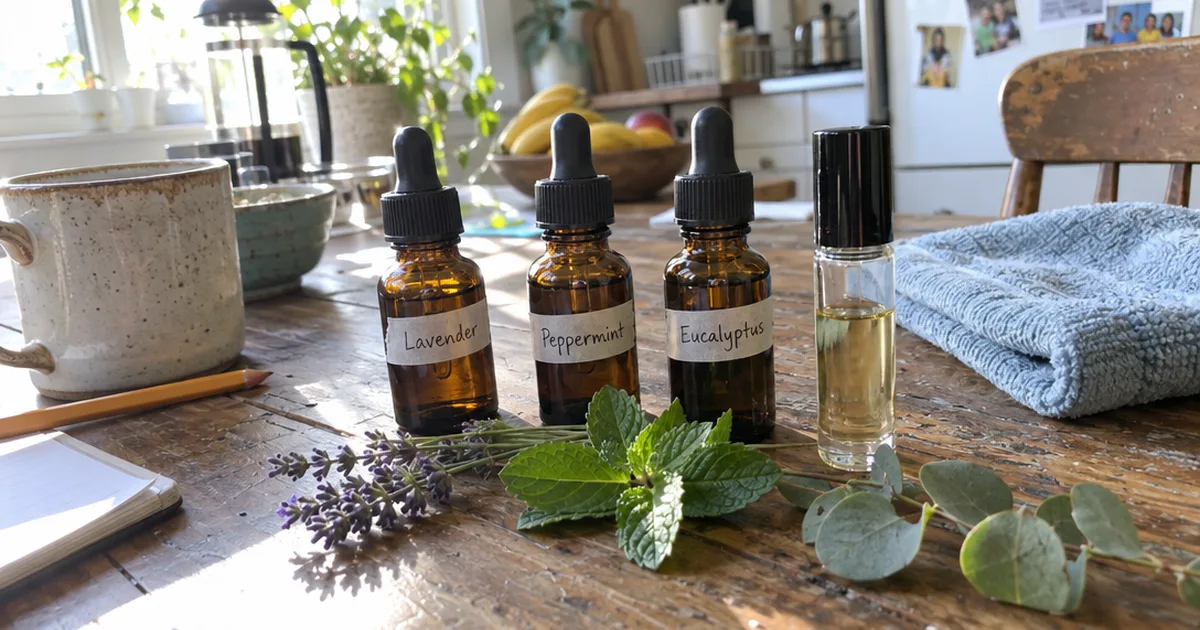
Essential Oils for Headaches: 6 Oils Ranked by the Studies Behind Them
Which essential oils help headaches? Lavender, peppermint, basil, eucalyptus, rosemary and chamomile ranked by real studies, with dilution math and safety rules.
 guide
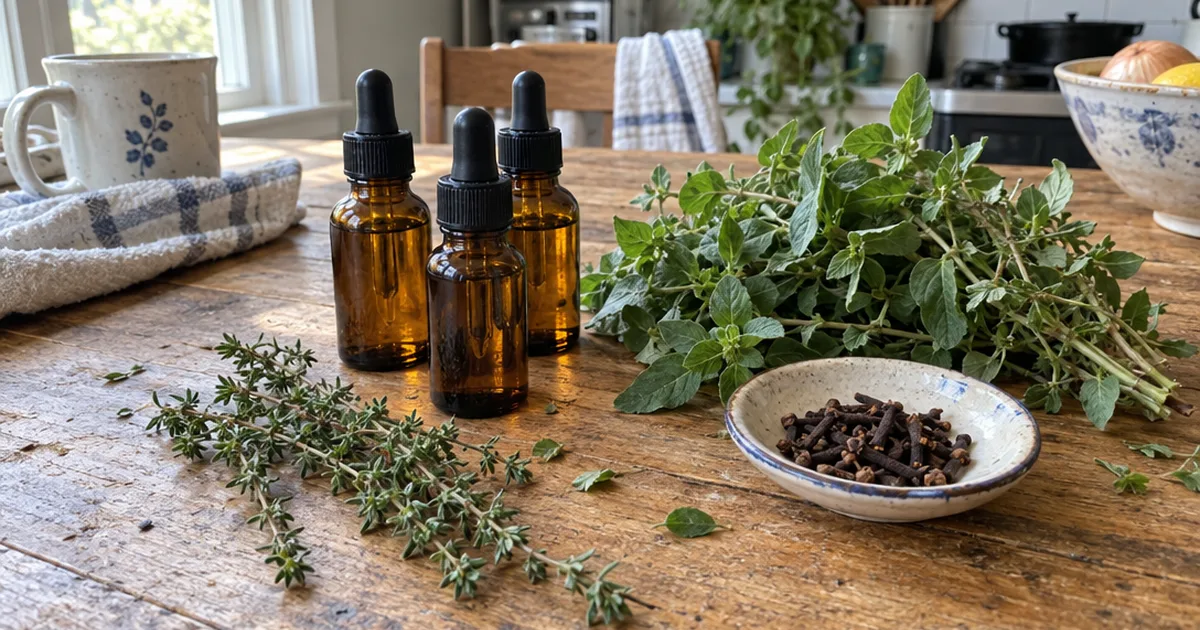
Antimicrobial Essential Oils: Which Ones Work and How Well
Which essential oils kill bacteria and fungi? What lab studies show about oregano, thyme, clove and lavender, what store-bought oils do, and how to use them safely.
 guide
Tea Tree Oil for Lice: What It Kills, What It Misses and What Works
Does tea tree oil kill lice and nits? What a 2012 lab study found, how to try it safely on a child's scalp, and the comb-out that actually clears lice.
 guide
Aromatherapy Benefits: What the Research Supports and What It Doesn't
What aromatherapy can do for anxiety, sleep, pain, mood and memory, how strong the proof is for each, and how to start safely.
 guide
Aromatherapy Massage: What Happens, Which Oils and Who Should Skip It
Aromatherapy massage pairs gentle massage strokes with diluted essential oils. See how a session runs, which oils are used and when to skip it.
 comparison
Neroli vs Orange Blossom: Same Flower, Two Very Different Oils
Neroli vs orange blossom explained: how each is made from bitter orange flowers, how they smell, which lasts longer and which one to choose.
 guide
Oregano Oil for Skin: What the Research Shows and How to Use It
Oregano oil for skin, explained: what the research shows for bacteria, acne and wounds, how to dilute it, how to patch test it and when to skip it.
 guide
Tea Tree Oil Shampoo Benefits: What Works and How to Use It Safely
Tea tree oil shampoo benefits for dandruff, itch, oily roots, hair growth and lice, how strong the evidence is for each, how much oil to add and who should skip it.
 listicle
Types of Essential Oils: The 7 Scent Families and What Each Does
The 7 main types of essential oils, from citrus and mint to woody and resin oils, with what each smells like, what it's used for and the safety rules to know.
 guide
Essential Oils Safe for Pets: Lower-Risk Oils and the Ones to Avoid
Which essential oils are safe for pets? The lower-risk oils for dogs and cats, the toxic ones to lock away, safe diffuser habits and what to do after a spill.
 guide
Is Cedarwood Oil Safe for Cats? What Smell, Skin and Licks Mean
Is cedarwood oil safe for cats? What diffusing, flea use and licking each mean for your cat, the warning signs of poisoning and what to do after an accident.
 guide
Essential Oils Safety: Rules for Skin, Air, Baths and Swallowing
Essential oils safety rules for every way you use them: diluting for skin, timing a diffuser, citrus and sun, baths, swallowing, kids, pregnancy, pets and first aid.