
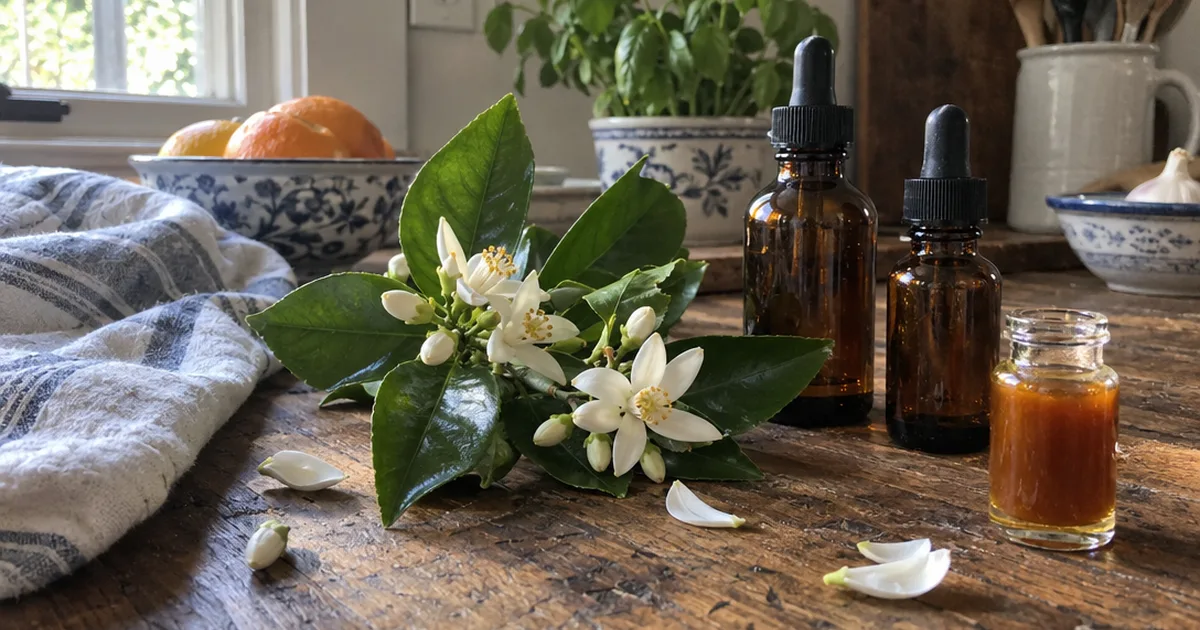
It takes 1 ton of orange blossoms to make 1.5 kg of orange blossom absolute.
That’s the figure London perfume house Angela Flanders gives, and neroli essential oil comes from those very same white flowers.
So in the neroli vs orange blossom question, why do two oils from one flower smell so different?
The answer is the extraction method. Once you know it, you can pick the right bottle for a cologne, a perfume or a home blend.
Here’s a quick way to pick:
- Building a fresh cologne or a light diffuser blend? Neroli is your oil.
- For a sweet, warm floral perfume that lingers, orange blossom absolute fits better.
- If you can’t tell the bottles apart, start with the chart and the “four materials” table further down.
Neroli vs Orange Blossom at a Glance
Neroli and orange blossom absolute come from the same flowers but differ in method, scent and staying power, and this chart lines them up on the points you’d compare:
| Category | Neroli | Orange Blossom Absolute | Better Pick |
|---|---|---|---|
| Source | Bitter orange flowers | Bitter orange flowers | Tie |
| How it's made | Steam distillation | Solvent extraction | Depends on use |
| Scent | Green, fresh, floral | Richer, sweeter, headier | Depends on taste |
| Closest scent cousin | Petitgrain | Jasmine | Tie |
| Role in perfume | Fresh top note | Natural fixative | Orange Blossom |
| Classic home | Eau de cologne | Floral and oriental perfumes | Tie |
| Side product | Orange blossom water | None | Neroli |
| Overall | Best for fresh, light blends | Best for rich, lasting perfume | Tie |
Is Neroli the Same as Orange Blossom?
Neroli and orange blossom come from the same flower, but they are not the same material. The Perfume Society says both are made from the small white flowers of the bitter orange tree, and that solvents make orange blossom while neroli is steam-distilled.
That’s where the confusion starts.
“Orange blossom” can mean the flower itself, orange blossom water, or orange blossom absolute. Neroli always means one thing: the oil that steam pulls out of those blossoms.
So when a label says “orange blossom,” check whether it means the absolute, the water or just the idea of the flower.
Sweet Orange or Bitter Orange?
Both neroli and orange blossom absolute come from the bitter orange tree (Citrus aurantium), not the sweet orange you eat for breakfast. According to The Perfume Society, the bitter orange is much more fragrant than the tree grown for its fruit.
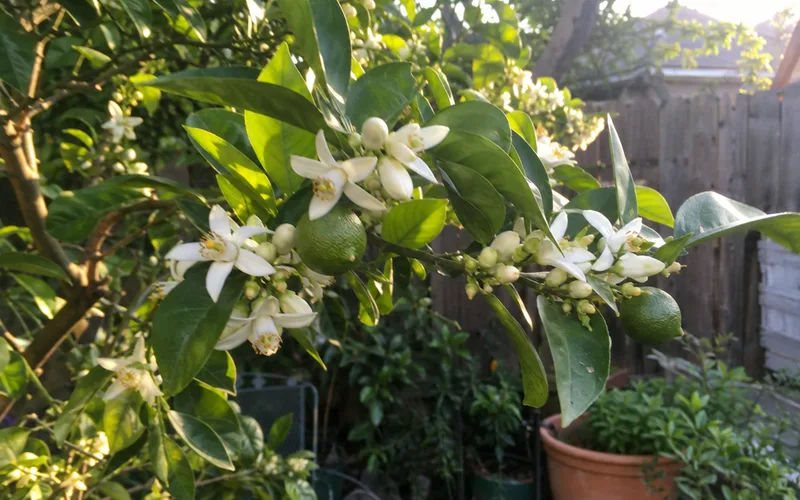
Perfume house Angela Flanders says this tree, also called citrus bigaradia, grows in the Mediterranean. So if a soap-making forum asks “sweet or bitter?”, the answer for both materials is the bitter Mediterranean tree.
Where the Name Neroli Comes From
The name neroli comes from a 17th-century Italian princess. The same perfume house says the Princess of Nerola loved the scent and used it to perfume her gloves and her bath.
That’s a nice story to know when you see “neroli” on an old cologne bottle. The flower was famous long before the princess, though, and orange blossom carried its own meaning at weddings.
What Is Neroli?
Neroli is the essential oil made by steam-distilling fresh bitter orange blossoms, and London perfume house Angela Flanders describes it as smelling green, fresh and floral.
In other words, neroli is the light, bright side of the flower.
How Neroli Is Made
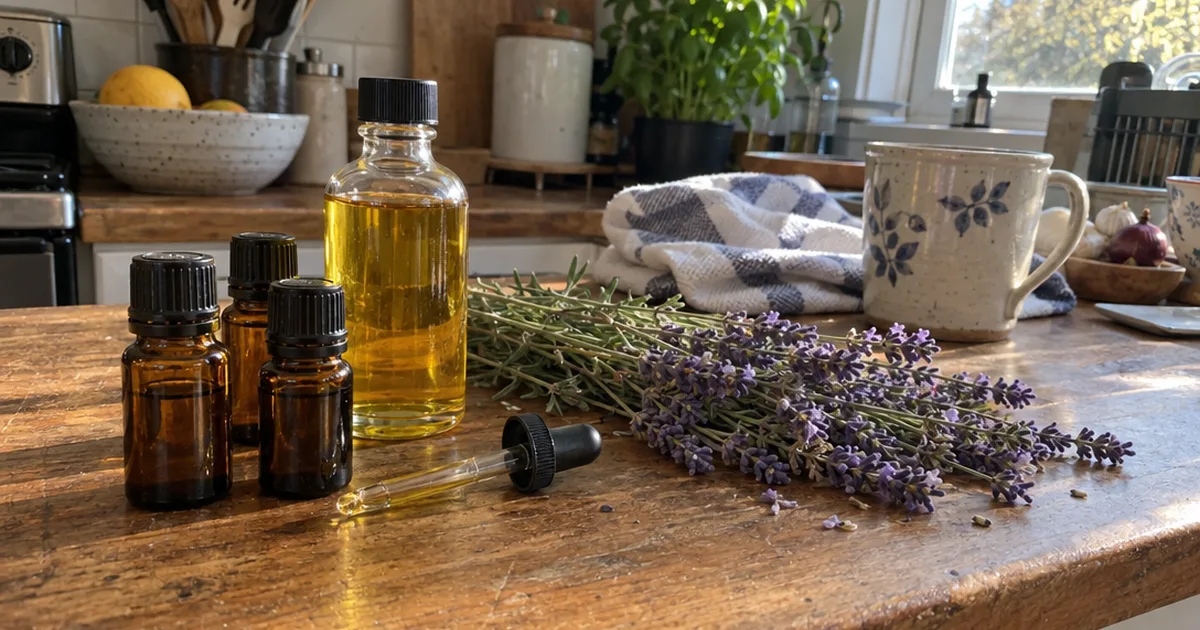
Steam distillation, the same method used for lavender, runs steam through the fresh flowers and carries the lighter scent molecules with it. The steam cools back into water, and the oil separates out on its own.
That leftover water doesn’t go to waste. It’s sold as orange blossom water, a much gentler product than the oil.
What Neroli Smells Like
Neroli smells green, fresh and floral, with a clean citrus brightness that never turns sugary. Think of the moment you walk past an orange tree in bloom, rather than biting into the fruit.
It also helps to know what neroli is not. It isn’t juicy like sweet orange oil, and it isn’t heavy like a white-flower perfume, which is why it reads as clean and almost soapy in a cologne.
What Is Orange Blossom Absolute?
Orange blossom absolute is the scent of bitter orange flowers extracted with solvents instead of steam, which keeps more of the flower’s heavier, sweeter side.
That one change in method gives you a very different bottle.
How Solvent Extraction Works
Solvent extraction washes the flowers so the solvent dissolves their scent. Then the solvent is removed, leaving a concentrated absolute.
This is the same reason rose comes in two forms. If you’ve compared rose absolute and rose otto, you’ve already seen how solvent and steam change one flower’s scent.
What Orange Blossom Absolute Smells Like
Orange blossom absolute smells richer, sweeter and headier than neroli, with a hint of jasmine. The Perfume Society even points out that the two flowers share similar aroma compounds in their chemical make-up.
So if you love jasmine’s heady floral side, you’ll probably feel at home with the absolute. The London perfume house calls it warmer and headier, with a pronounced floral character.
Does Neroli Smell Like Orange Blossom?
Neroli smells like the fresh, green side of orange blossom, but not like the full, sweet flower. The absolute is the one that smells closest to a blooming tree on a warm night.
Here’s an easy way to picture it:
- Neroli: green, fresh, floral, clean, a little bitter
- Orange blossom absolute: rich, sweet, heady, honeyed, jasmine-like
- Both together: a bright opening that melts into a soft floral heart
Readers on Reddit’s r/fragrance ask this exact question, “Difference between Orange Blossom and Neroli?”, because perfume note lists often name one or the other. If a perfume smells fresh first and sweet later, it may contain both.
Which Lasts Longer: Neroli or Orange Blossom?
Orange blossom absolute lasts longer on skin than neroli, because neroli works as a fresh top note and the absolute acts as a fixative. A London perfume house’s ingredient guide says neroli is often used to lend a fresh top note to floral scents.
Why does that matter?
Top notes are the first thing you smell, and they’re the first to fade. So neroli gives a perfume its opening sparkle but rarely carries the dry-down on its own.
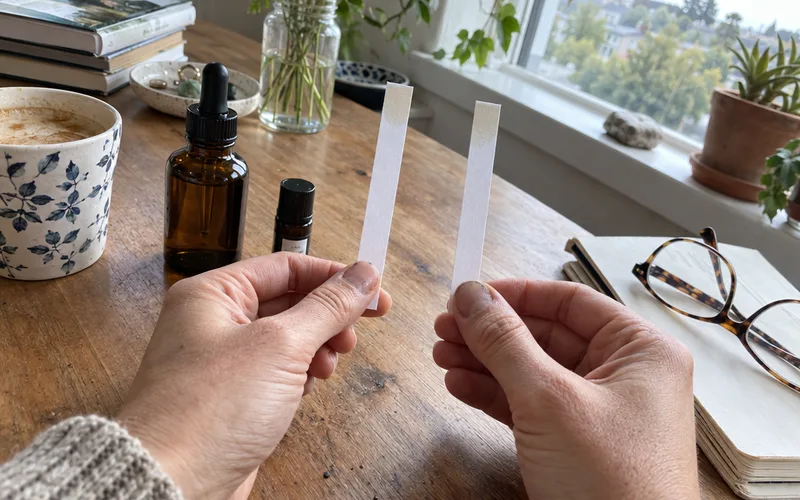
The absolute does the opposite job. The Perfume Society says orange blossom acts as a natural “fixative” that helps prolong the life of lighter ingredients in a blend.
Want to see where each one sits? The essential oil perfume notes guide maps top, middle and base notes, so you can place neroli up top and the absolute lower down.
One Tree, Four Materials
The bitter orange tree gives perfumers at least four materials: neroli, orange blossom absolute and orange blossom water from the flowers, and petitgrain from the leaves. Its fruit peel adds a fifth, bitter orange oil.
Here’s how they line up:
| Material | Part of the tree | Scent or use |
|---|---|---|
| Neroli | Flowers, steam-distilled | Green, fresh, floral top note |
| Orange blossom absolute | Flowers, solvent-extracted | Rich, sweet, heady floral |
| Orange blossom water | Water left from distilling neroli | Skin toner, dessert flavoring |
| Petitgrain | Leaves and tender buds | Cologne building block |
| Bitter orange oil | Fruit peel | Zesty citrus |
All 5 come from one plant, which is why so many bottles say “orange” and smell nothing alike. The oil profiles hub groups oils by scent family, so you can see where each one fits.
Neroli vs Petitgrain
Neroli comes from the flowers and petitgrain essential oil comes from the leaves and tender buds of the same bitter orange tree. The perfume house says these materials are combined in traditional eau de colognes.
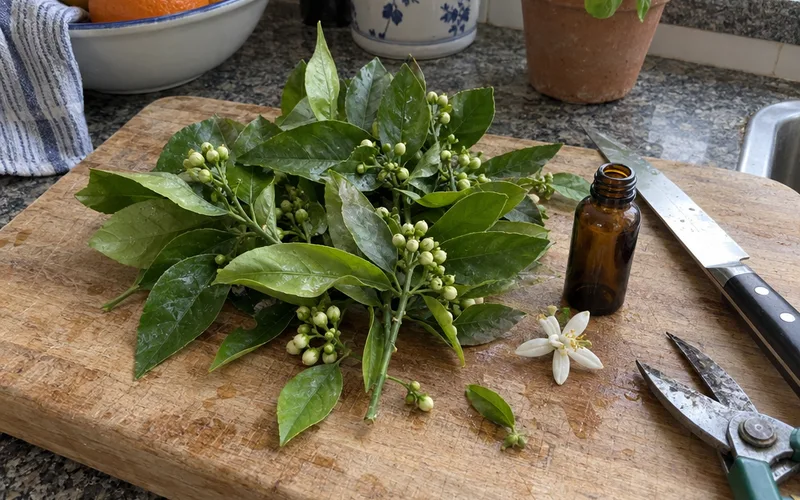
So petitgrain isn’t a cheap fake of neroli. It’s a sibling from a different part of the tree, with a greener, leafier smell.
Is Orange Blossom Water the Same as Neroli?
Orange blossom water is not the same as neroli: it’s the scented water left behind when neroli is distilled. That same perfumer says it’s used as a skin toner and to flavor desserts in French and Middle Eastern cooking.
The water is much gentler than the oil. That’s why it shows up in kitchens, while neroli stays in perfume and aromatherapy kits.
Bitter Orange Oil
Bitter orange oil comes from the peel of the bitter orange fruit, not the blossom. The perfume house calls it zesty, so expect citrus rind rather than flowers.
That makes it the one to skip if you want a floral scent. If the bottle says “bitter orange” without “neroli” or “flower,” you’re buying peel oil.
How Perfumers Use Neroli and Orange Blossom
Perfumers use neroli for a fresh opening and orange blossom absolute for a warm, lasting floral heart. Real perfumes show the split clearly.
Take Shantung Dream from Angela Flanders. Its listing puts top notes of neroli and petitgrain over a heart of gardenia, jasmine, sweet orange and fig.
Orange blossom tends to be the star of the heart. Delacourte’s Osiris is built as an ode to orange blossom, with an orange blossom heart that melts into honeyed notes over cedar and guaiac wood.
The Perfume Society lists more to try:
- Francis Kurkdjian APOM Pour Femme
- L’Artisan Parfumeur Seville a l’Aube
- Penhaligon’s Orange Blossom
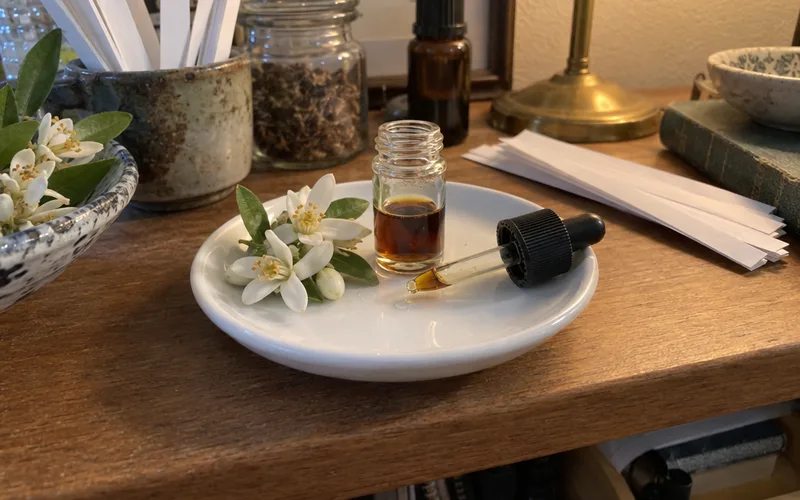
Smelling one of these next to a neroli cologne is the fastest way to train your nose. The same guide says orange blossom shows up in colognes, ambery chypres and florals, so you’ll find it far beyond bridal scents.
Can You Use Neroli and Orange Blossom Together?
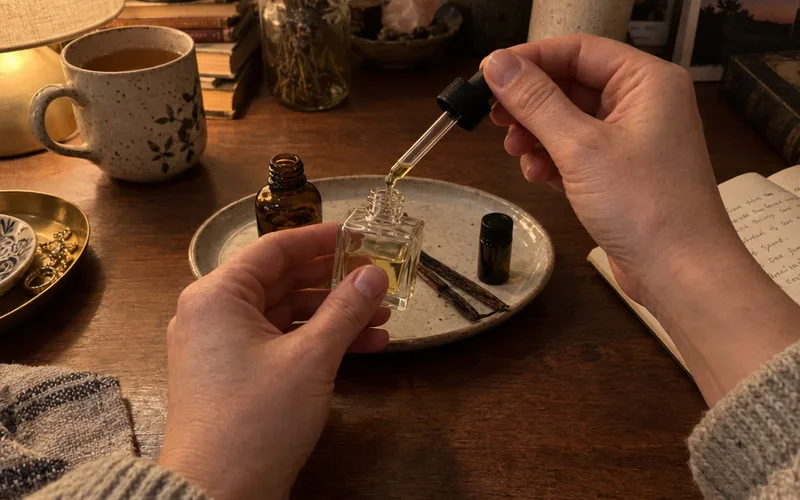
Yes, neroli and orange blossom work well together, with neroli on top and the absolute in the heart. The absolute is also often combined with vanilla, amber or musk in floral and oriental fragrances, the London perfumer says.
Here’s a simple 3-layer plan for a homemade blend: neroli for lift, the absolute for body and vanilla or musk underneath. The perfume with essential oils and alcohol method walks you through mixing it.
Why Neroli and Orange Blossom Cost So Much
Neroli and orange blossom absolute cost a lot because each takes a huge pile of blossoms to make a tiny amount of oil. Angela Flanders states that 1 ton of flowers makes 1.5 kg of orange blossom absolute.
Put another way, that’s roughly 667 kg of flowers for every kilogram of absolute, and neroli comes from the very same harvest.
So a small bottle at a low price is a reason to read the label twice. Look for the Latin name Citrus aurantium, the plant part (flower) and the method (steam-distilled or absolute).
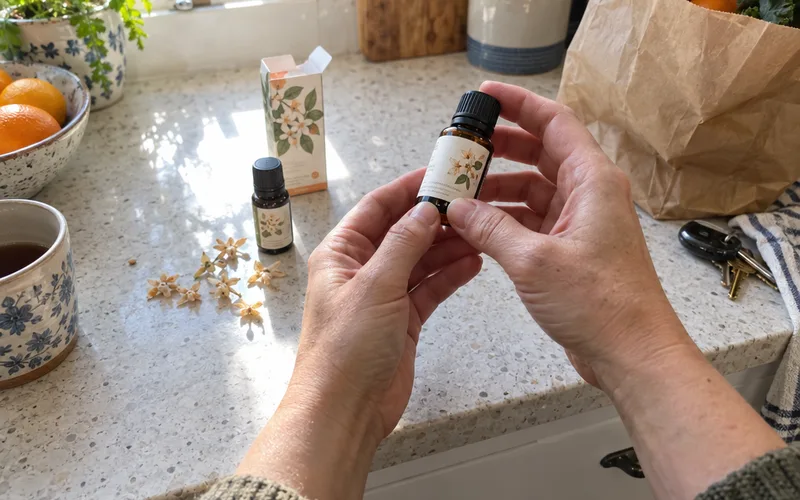
A place name such as “Tunisian orange blossom” tells you where the raw material was grown, not which method made it. You still need that method on the label.
Who Should Choose Neroli
Choose neroli if you want a fresh, clean, floral scent for colognes, light perfumes or diffuser blends. It’s the brighter, airier of the two.
Neroli is a good fit if you:
- Like fresh, citrus-floral scents more than sweet ones
- Want to make a classic essential oil cologne
- Already enjoy bright citrus oils like bergamot or petitgrain
- Want a top note that lifts a heavier blend
If bergamot is on your shelf too, the neroli vs bergamot comparison shows how two bright citrus oils differ. And if you’re wondering whether neroli helps with stress or anxiety, the neroli oil benefits guide covers the research.
Who Should Choose Orange Blossom Absolute
Choose orange blossom absolute if you want a rich, sweet, honeyed floral that stays on the skin. It’s the fuller, warmer version of the flower.
The absolute is a good fit if you:
- Love jasmine, gardenia or other white florals
- Want a perfume that lasts, since it works as a fixative
- Plan to pair it with vanilla, amber or musk
- Want orange blossom to be the star, as in Osiris
It’s strong, so a little goes a long way in a blend. Start small and build up.
How to Use Either One Safely at Home
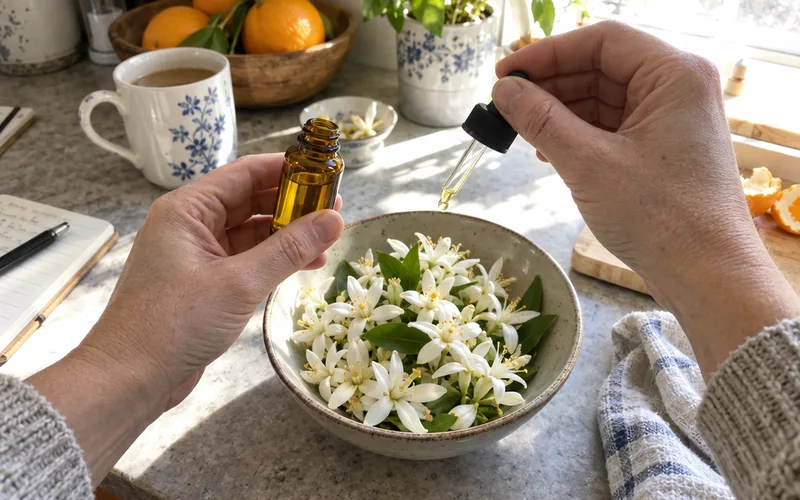
Neroli and orange blossom absolute are both concentrated plant extracts, so dilute either one in a carrier oil before it touches your skin. The dilute essential oils safely guide gives the drop counts.
Patch test a new oil on a small area first, and keep both away from your eyes. The broader essential oil safety rules cover children, pregnancy and pets.
If you’re mainly buying neroli for your face, the neroli for skin guide explains what the evidence does and doesn’t show. When in doubt, smell it in a perfume first and keep the bottle for blends.
Frequently Asked Questions
Are bergamot and neroli the same?
No, bergamot and neroli are not the same: neroli is distilled from the flowers of the bitter orange tree, while bergamot is a different citrus fruit, the bergamot orange. Both smell fresh and bright, so the neroli vs bergamot comparison on this site breaks down how they differ.
What does neroli do for you?
Neroli is mainly used for its scent: a fresh, green, floral lift in perfumes, colognes and diffuser blends. Its possible calming and skin benefits have their own guides on this site, because the evidence behind them needs more room than a smell comparison.
What is an orange blossom flower?
An orange blossom is the small white flower of the orange tree, and the one perfumers prize comes from the bitter orange, which The Perfume Society says is far more fragrant than the tree grown for eating oranges. Brides have worn it in bouquets and headdresses since the Crusades.
What does orange blossom neroli smell like?
A perfume or candle labeled orange blossom neroli usually smells like both materials at once: neroli’s fresh, green opening over the sweeter, honeyed floral heart of orange blossom. Check the note list, because the label names a scent idea, not a single oil.
Is orange blossom oil the same as neroli?
Orange blossom oil can mean either material, so check the label for the method. Steam-distilled means neroli, and absolute means the solvent-extracted orange blossom absolute, which smells sweeter and heavier.
Is neroli or orange blossom better for a homemade perfume?
Neroli is better for a light, fresh, cologne-style perfume, and orange blossom absolute is better for a warm floral or ambery one that needs to last. Many perfumes use both: neroli on top and the absolute in the heart.
Final Thoughts
Neroli and orange blossom absolute are the same flower captured two ways, and the method decides the smell.
Pick neroli for fresh, light, cologne-style blends, and pick the absolute for a warm floral perfume that needs to last.
Your first step this week: smell one orange blossom perfume and one neroli cologne side by side, and notice which one you keep coming back to.