
America’s best-selling salon scalp shampoo is a tea tree shampoo.
Paul Mitchell makes that claim for its Tea Tree Special Shampoo, citing Kline sales data from Q3 2024 to Q2 2025.
But popular isn’t the same as proven, and the tea tree oil shampoo benefits you see online range from well-tested to wishful.
So let’s go benefit by benefit: what each one does, how strong the proof is and how to use it without irritating your scalp.
What Is Tea Tree Oil Shampoo?
Tea tree oil shampoo is any shampoo that contains tea tree oil, the essential oil distilled from the leaves of the Melaleuca alternifolia tree. On a label, look for “Melaleuca Alternifolia (Tea Tree) Leaf Oil” in the ingredient list.
You can buy it ready-made, or you can add a few drops of the oil to a shampoo you already own.
Either way, the shampoo base does the washing.
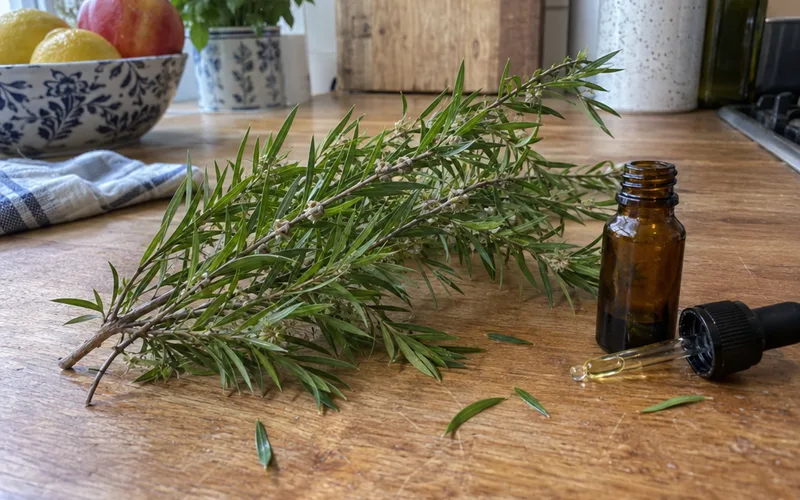
The oil is there for its antifungal and antimicrobial properties, which come mostly from a compound called terpinen-4-ol. That’s the part that matters for your scalp, because the main problems it targets are yeast and microbes living on the skin, not the hair strands.
In other words, think of tea tree shampoo as the scalp-treatment step in your hair care routine, one that happens to wash your hair.
Tea Tree Oil Shampoo Benefits for Hair and Scalp
Tea tree oil shampoo benefits your scalp first: it can reduce dandruff, flaking and itch, and it may help with oily buildup, hair growth and lice. But the evidence is strongest for dandruff and much weaker for everything else.
Here’s how the main benefits stack up:
- Dandruff and flaking: the best evidence, including one study with a clear number.
- Itchy scalp: likely, since itch usually comes with the flakes.
- Oily roots and buildup: mostly the shampoo’s job, with tea tree as a helper.
- Hair growth: only shown alongside other treatments, with more research needed.
- Head lice: some treatment research, but not for shampoo alone.
So match the benefit to the problem you actually have, because each one rests on different evidence.
Does Tea Tree Oil Shampoo Help With Dandruff?
Yes, tea tree oil shampoo helps with mild to moderate dandruff. Verywell Health reports that in one study, people who used a 5% tea tree oil shampoo daily for four weeks saw a 41% drop in dandruff.
That’s the strongest result behind any claim on this list.
Why does it work?
Dandruff is usually driven by a yeast called Malassezia, and the oil’s antifungal action fights that yeast. WebMD adds that tea tree shampoo helps reduce yeast buildup on the scalp and unblocks pores.
The catch is the word “mild.”
If your flakes come with red, scaly patches that don’t budge, you may be dealing with seborrheic dermatitis rather than everyday flaking. Tea tree can still play a part, and the details are in this guide to tea tree shampoo for seborrheic dermatitis.
And if it doesn’t suit your scalp, there are other essential oils for dandruff worth comparing.
Does Tea Tree Shampoo Help an Itchy Scalp?
Tea tree shampoo can help an itchy scalp when the itch comes from dandruff, because WebMD notes it soothes the scalp and reduces itching and flaking. It won’t fix itch from an allergy, and it can even cause one.
Most itch from flaking eases as the flakes clear.
The oil also carries anti-inflammatory compounds, led by terpinen-4-ol. But the same oil can trigger dermatitis, a red, itchy skin reaction, in people who are sensitive to it.
So if your scalp itches more after switching, the shampoo may be the cause, not the cure.
For a closer look at what the oil does to the skin itself, see what tea tree oil does for your scalp.
Does Tea Tree Oil Shampoo Help With Oily Hair?
Tea tree oil shampoo can help oily hair feel cleaner for longer, but the shampoo base does the cleansing, since tea tree oil itself doesn’t cleanse hair. What tea tree adds is help with the residue that makes roots look greasy.
WebMD says tea tree helps wash away oil, dead skin and chemical buildup from the scalp. Verywell Health describes it as preventing the buildup of chemicals and dead skin from styling products.
That’s useful if you use dry shampoo, gels or sprays most days.
Key Takeaway: For oily roots, pick a good clarifying shampoo first and treat the oil as a bonus, not the main cleaner.
Can Tea Tree Shampoo Help Hair Growth?
Tea tree shampoo has not been shown to grow hair on its own. Verywell Health reports that tea tree oil may promote growth in androgenetic alopecia, or pattern hair loss, only when combined with other treatments, and more research is needed.
That’s a long way from “grows thicker hair.”
If you’re losing hair, talk to a doctor about treatments, and use tea tree as a scalp-care step alongside them.
Shopping anyway? Here’s a look at tea tree shampoos for hair loss and what their labels promise.
Does Tea Tree Oil Shampoo Get Rid of Head Lice?
Tea tree oil shampoo is not a proven way to get rid of head lice. Research suggests tea tree oil treatments may break the lice lifecycle and kill eggs, but the method Verywell Health describes is a leave-on oil mix, not a quick wash.
That method mixes about 7 or 8 drops of the oil with 1 tablespoon of vegetable oil. You leave it on overnight under a shower cap, then comb it out in the morning.
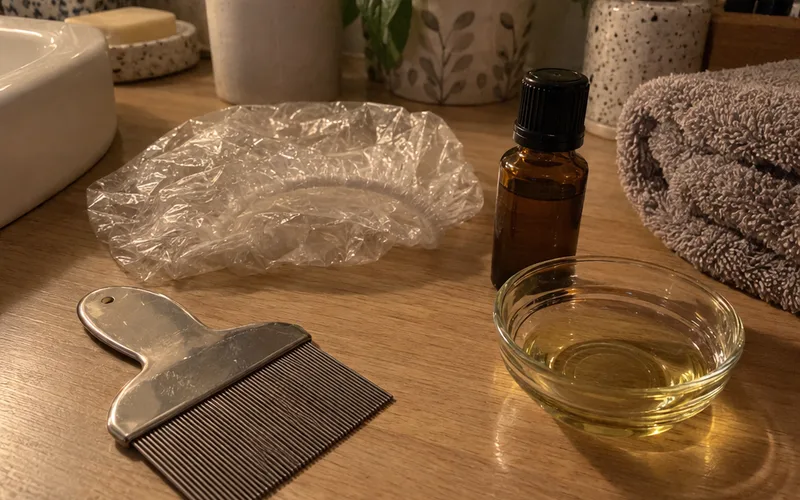
That’s a very different dose and contact time from a shampoo you rinse after a few minutes.
If you’re dealing with an active case, follow a full tea tree lice treatment or ask your pharmacist, and keep the shampoo for regular washing.
How Strong Is the Evidence for Tea Tree Shampoo?
The evidence for tea tree shampoo is thin: one dandruff study carries most of the weight, and tea tree oil is not an approved drug in the United States. William Truswell, MD, of Verywell Health’s medical expert board, puts it plainly:
“Studies of tea tree oil’s efficacy have been scarce, and it is not recognized in the United States as an approved drug.”
That doesn’t mean it doesn’t work.
It means you should expect modest results for dandruff and treat most other claims as possible, not promised.
And essential oils themselves are not regulated by the FDA, according to Healthline’s aromatherapy guide, so buying the oil from a reputable producer is on you.
So judge a tea tree shampoo by your flakes after a month, not by how much it tingles.
How Much Tea Tree Oil to Add to Shampoo
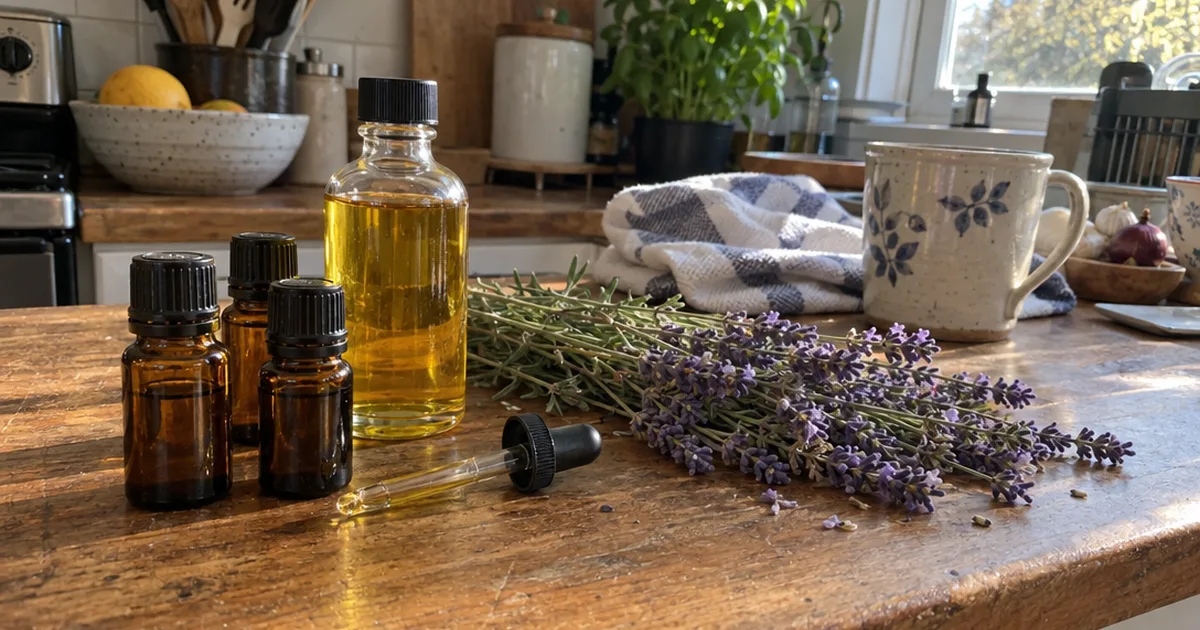
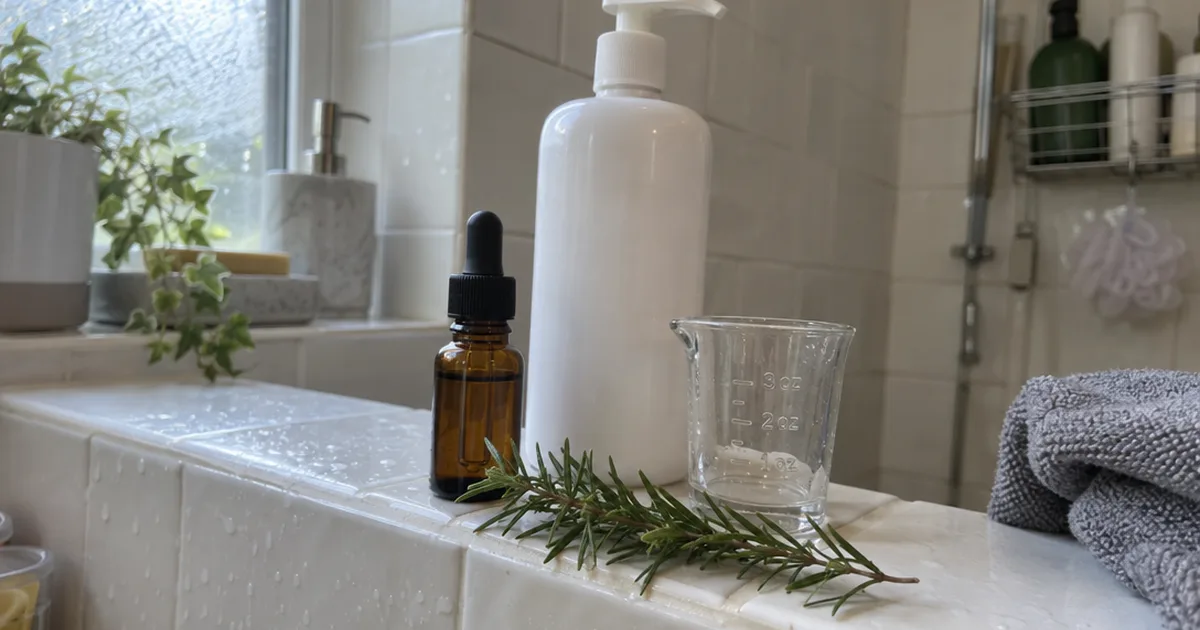
Add 10 to 15 drops of tea tree oil for every ounce of shampoo, which is the dandruff rate Verywell Health gives from manufacturers’ directions. Never put undiluted tea tree oil straight on your scalp, because that raises your risk of irritation and dermatitis.
Here’s how to do it:
- Pour 1 ounce of your usual shampoo into a small bowl or your palm.
- Add 10 to 15 drops of tea tree oil and stir until the shampoo keeps its normal texture.
- Massage it into a wet scalp.
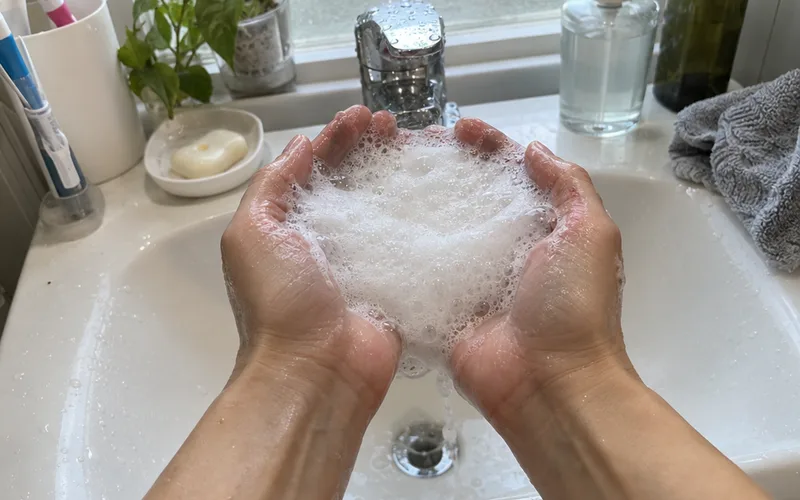
- Leave it on for 3 to 5 minutes, then rinse well.
Mix a fresh batch each time instead of adding oil to the whole bottle. That way you control the dose every wash.
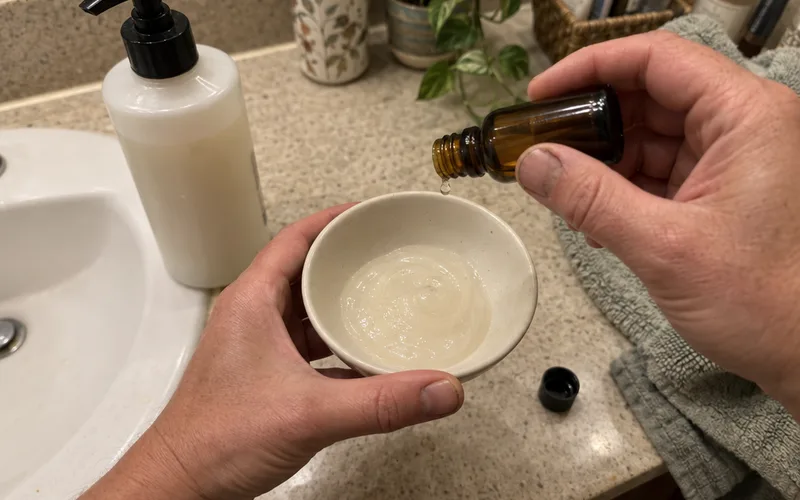
Pro Tip: Do a patch test before your first wash, as the same guide recommends. Dab a little of the mixed shampoo on your inner arm and skip it if you see redness or itching.
New to dilution math? This guide on how to dilute essential oils walks through drops and ounces, and the essential oil basics cover safe use in general.
And for a leave-on scalp oil instead of shampoo, choose a carrier oil for tea tree first.
How to Use Tea Tree Shampoo for Dandruff
To use tea tree shampoo for dandruff, wash daily or every other day and leave the lather on your scalp for 3 to 5 minutes. Stick with it for about four weeks, the length of the 5% shampoo study.
The washing schedule matters more than people think.
WebMD’s guide says to try washing daily or every other day if you shampoo only a few times a week. Not shampooing enough can make dandruff worse.
So if you wash twice a week now, that change alone may help.
Focus the lather on your scalp, not the lengths of your hair. Rinse it all out, and follow with a light moisturizing conditioner on the ends if your hair feels dry.
Give it a month before you decide.
Side Effects of Tea Tree Shampoo
The main side effects of tea tree shampoo are skin irritation, redness, itching and allergic reactions, which WebMD says large amounts of tea tree oil can cause. Swallowing tea tree oil is the most serious risk, because it can be poisonous.
Watch for these signs after a wash:
- A burning or stinging scalp that doesn’t fade after rinsing.
- New redness, bumps or a rash along your hairline.
- More flaking or itching than before you started.
- Stinging eyes from suds running down your face.
Stop using the shampoo if any of those show up, and rinse with plain water.
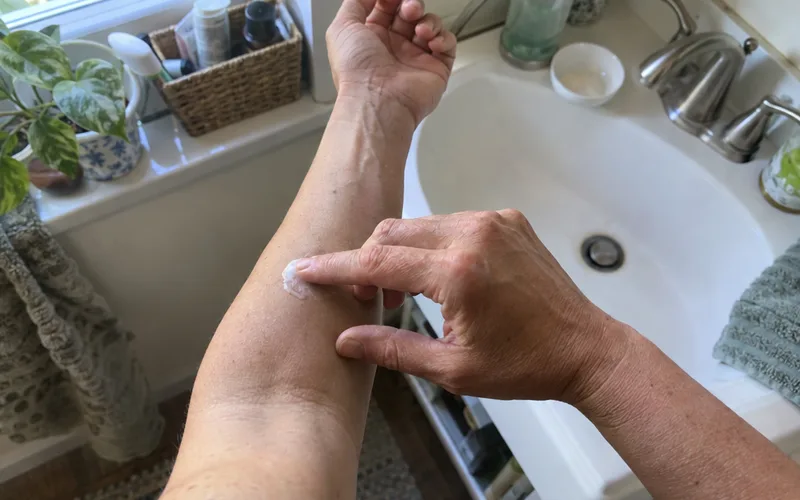
If suds get in your eyes, flush them right away, and here’s what to do if you got tea tree oil in your eye.
Keep the bottle of pure oil away from your mouth, too. If someone swallows it, call Poison Control at 1-800-222-1222, and read how much tea tree oil is toxic to understand the danger.
Who Should Not Use Tea Tree Shampoo?
Skip tea tree shampoo if you have broken skin on your scalp or a past reaction to tea tree, and ask a doctor first if you’re pregnant or breastfeeding. Keep it out of children’s reach and away from pets.
Here’s who should hold off:
- Anyone with broken or raw skin: Paul Mitchell’s own listing says it doesn’t recommend its Tea Tree Shampoo for broken skin.
- People who react to tea tree: if it has given you a rash before, skip it.
- Pregnant or nursing readers: Verywell Health notes there’s little safety information, so ask your provider first.
- Pet owners bathing animals: WebMD warns tea tree oil can be poisonous on a dog’s or cat’s skin.
That last one catches people out.
Never use your shampoo on a dog or cat, and check which essential oils are safe for pets before you use any around them.
Can You Use Tea Tree Shampoo on Color-Treated Hair?
Yes, you can usually use tea tree shampoo on color-treated hair, and Paul Mitchell labels its Tea Tree Special Shampoo “Color Safe” even though it contains sodium lauryl sulfate. Cosmetic chemist Romanowski told Teen Vogue it’s a myth that sulfates will strip hair color.
He says sulfates don’t strip color any worse than any other shampoo detergent.
The real issue is your scalp. The same article notes that in some cases, sulfates can cause dryness and irritation on your scalp.
So if your colored hair comes with a dry, tight scalp, pick a sulfate-free, moisturizing formula. Or add drops of oil to a gentle shampoo you already trust.
Tea Tree Shampoo vs. Medicated Dandruff Shampoos
Medicated dandruff shampoos use drug actives such as ketoconazole, zinc pyrithione, selenium sulfide, coal tar and salicylic acid, which WebMD says may help stop yeast growth. Tea tree oil isn’t an approved drug and has thinner evidence, so treat it as a first try for mild flakes only.
That’s the trade-off people weigh when they search for Nizoral or Head and Shoulders.
There’s no head-to-head research comparing them, so you can’t call one better.
Here’s a simple way to decide:
- Mild flakes and itch: try tea tree shampoo for 4 weeks.
- Heavy flakes, red patches or no change after a month: switch to a medicated shampoo.
- Not sure which active a bottle has: read the active ingredient line on its Drug Facts label.
You can also alternate the two, using the medicated shampoo a few times a week and tea tree on the other days.
What to Look for in a Tea Tree Shampoo
A good tea tree shampoo lists Melaleuca Alternifolia leaf oil by name and states its tea tree percentage, since the dandruff result came from a 5% shampoo. Pick a sulfate-free formula if your scalp is dry or sensitive.
Price doesn’t need to be high.
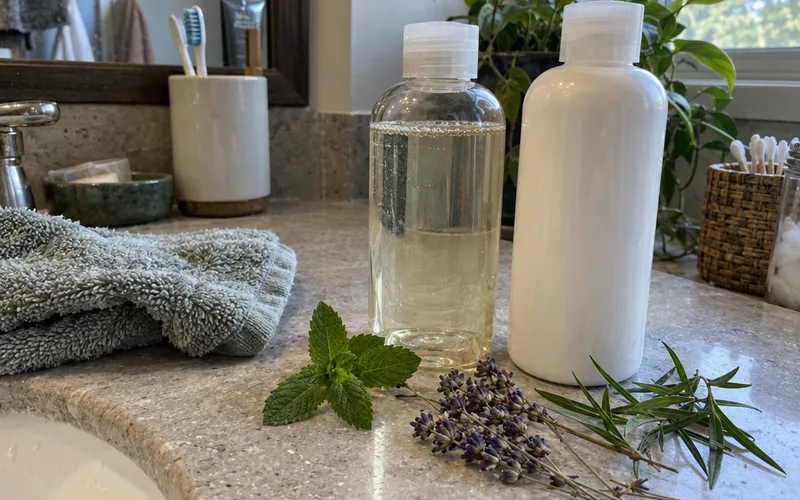
Paul Mitchell’s Tea Tree Special Shampoo, the one with the salon sales claim, lists at from $9.50. Its tingle and scent come from a blend of tea tree, peppermint and lavender that the brand pitches as an aromatherapy-inspired experience, which is a feel, not a sign of strength.
If you’re buying pure oil to add yourself, check the composition.
Verywell Health says ISO criteria put terpinen-4-ol at 35% to 48% of the oil. A brand that publishes its test results makes that easy to confirm.
This list of the best tea tree oil can help you pick a bottle, and the wider essential oils for hair guide covers other oils for your scalp.
The Bottom Line
The best-supported benefit is less mild dandruff: in one study, a 5% tea tree shampoo cut it by 41% in four weeks.
Everything else, from oily roots to hair growth, is a maybe.
This week, patch test a 10 to 15 drops per ounce mix, then wash with it daily or every other day for a month.
Frequently Asked Questions
Is it good to put tea tree oil in your shampoo?
Adding tea tree oil to your shampoo is fine for most adults with dandruff or an itchy scalp, as long as you dilute it to 10 to 15 drops per ounce, the rate Verywell Health gives. Mix only the amount you’ll use, and patch test the blend first.
Is tea tree oil in shampoo good for hair?
Tea tree oil in shampoo is mainly good for your scalp, not the hair strands themselves, because its antifungal action targets the yeast and buildup on your skin. Healthier scalp skin can mean fewer flakes on your hair, but don’t expect extra shine or strength from the oil alone.
Can I use tea tree shampoo every day?
Yes, you can use tea tree shampoo every day if your scalp tolerates it, and the dandruff study behind its best result used a 5% shampoo daily for four weeks. Cut back to every other day if your scalp turns dry, red or tight.
How long does tea tree shampoo take to work on dandruff?
Tea tree shampoo took four weeks of daily use to cut mild to moderate dandruff by 41% in the study Verywell Health reports. So give it about a month before you judge it, and see a doctor sooner if your scalp gets worse.
Why does tea tree shampoo tingle?
Tea tree shampoo usually tingles because of peppermint or menthol blended in with the tea tree, not the tea tree oil alone. Paul Mitchell’s listing, for example, credits its tingle to a blend of tea tree, peppermint and lavender.