
Four groups of people should skip frankincense completely.
They’re people who are pregnant, breastfeeding, prone to allergic reactions or living with a weak immune system. That list comes from a medically reviewed Medical News Today guide.
For everyone else, frankincense side effects come down to one question: is it on your skin, in your mouth or in the air?
Here’s what each route can do, the warning signs that mean stop, and what to do in the first few minutes after a reaction.
What Are the Side Effects of Frankincense?
Frankincense seems safe for most adults, and its most common side effect is skin irritation where the oil touches you. That’s the verdict of RxList’s frankincense page, which draws on the Natural Medicines database.
What you feel depends on how the frankincense gets into your body:
- On your skin: redness, itching, a rash or a burning feeling, mostly from oil used undiluted.
- By mouth: stomach pain, nausea and diarrhea, reported with extracts and supplements.
- In the air: the gentlest route, since the oil never touches your skin or stomach.
- Any route: a less common allergic reaction, which can be serious.
So the smartest move is to match your precautions to the way you actually use it.
Frankincense Side Effects on Skin
Skin irritation is the most common frankincense side effect, showing up as redness, itching, a rash, blisters or burning where the oil touched.
Being natural doesn’t make an oil gentle. In fact, the FDA’s aromatherapy page warns that many plants contain materials that are toxic, irritating or likely to cause allergic reactions on skin.
Two different reactions sit behind those symptoms:
- Irritation: the oil is too strong for your skin, so it stings or reddens soon after you apply it.
- Allergic contact dermatitis: your immune system reacts to the oil, often with an itchy rash that can spread past the spot you treated.
Warm water makes things worse. One WebMD user reviewer reported burning on the legs, upper arm and genitals after adding frankincense to a warm bath in January 2023.
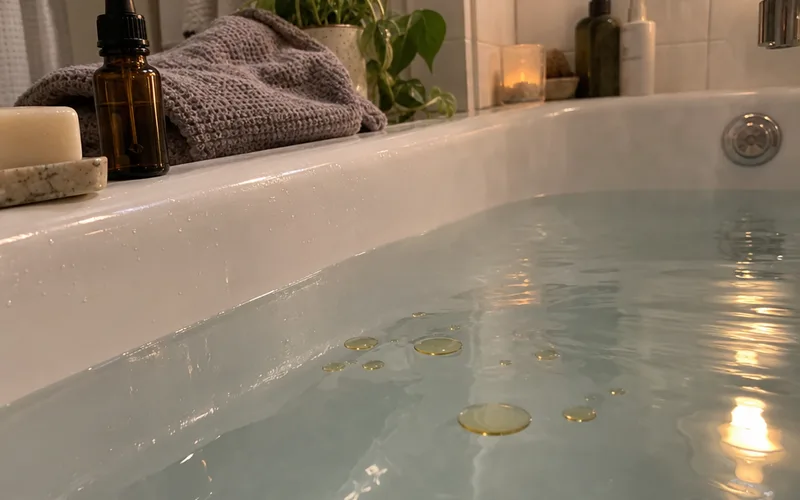
That’s one person’s report, not a study. But it shows a real problem: essential oils don’t mix with water, so the drops float and touch your skin at full strength.
Can You Put Frankincense Oil Directly on Your Skin?
No, you shouldn’t put frankincense oil directly on your skin, so mix it into a carrier oil such as jojoba or sweet almond oil first. Mixing spreads the oil out, which gives your skin a much gentler dose.
You can work out how many drops to use for your face or body in a minute. Diluting is also how people use frankincense oil for skin care without the sting.
How to Tell If You’re Allergic to Frankincense
A patch test tells you whether you’re allergic to frankincense before a full application does. Here’s how it works:
- Dab a little of your diluted mix on the inside of your forearm.
- Leave it alone for a full 24 hours.
- If you see redness, itching or bumps, wash it off and don’t use that oil.
Note: Resin from the frankincense tree also goes by olibanum on labels, so check ingredient lists for both names if you’ve reacted before.
What to Do If Frankincense Oil Burns Your Skin
If frankincense oil burns your skin, stop using it and wash the area with mild soap and cool water right away. Then leave the skin alone instead of layering on more products.
Call your doctor if the skin blisters, the rash spreads or the burning hasn’t eased by the next day. The full first aid for oil burns covers what to put on it afterward.
Side Effects of Swallowing Frankincense
Taking frankincense by mouth, usually as a boswellia capsule, can cause stomach pain, nausea and diarrhea. Medical News Today reports those 3 problems in some people who used frankincense extract.
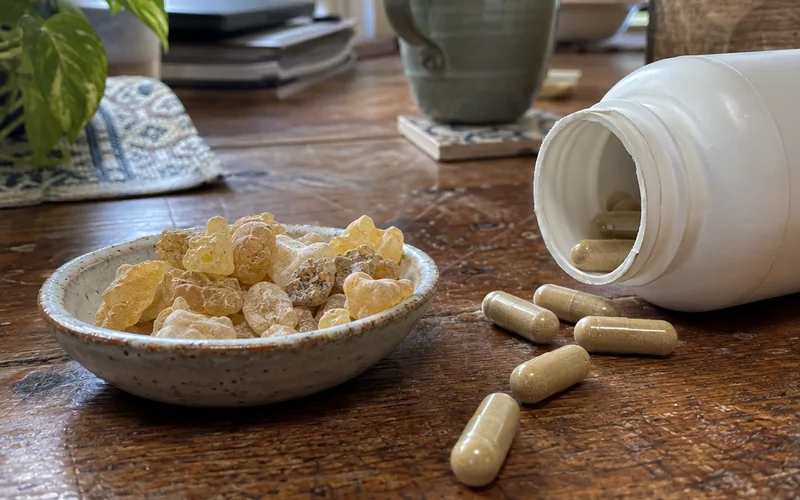
Those capsules carry boswellic acid, so the form you take matters as much as the amount.
Is Frankincense Essential Oil Safe to Ingest?
No, frankincense essential oil isn’t safe to ingest, because it’s a concentrated oil made for skin and air, not food. That includes the few drops in tea you’ll still see recommended online.
Mixing it into a drink doesn’t help, and here’s why drops in water never really dilute. The claims behind taking frankincense oil internally deserve a hard look before you try it.
Is Frankincense Oil the Same as Boswellia Extract?
No, frankincense oil and boswellia extract are different products made from the resin of the same frankincense tree, Boswellia. Steam distillation pulls the light, fragrant compounds out of Boswellia resin and leaves the heavy ones behind.
Those heavy compounds include the boswellic acids studied for swelling, inflammation and arthritis pain, so the oil carries few or none of them. Extracts and dietary supplements keep that boswellic acid, which is why their side effects differ from the oil’s.
In other words, a study on Boswellia capsules tells you about capsules. For what the oil itself may actually do, look at oil research.
Who Should Not Take Frankincense?
Skip frankincense if you’re pregnant, breastfeeding, have a history of allergic reactions or have a weakened immune system. Medical News Today’s caution covers both the extracts and the essential oil.
A mild scent doesn’t make frankincense a safe pick in pregnancy. If you’re expecting, the wider rules for aromatherapy in pregnancy apply to every oil on your shelf.
If you’re in cancer treatment, ask your care team before adding frankincense. It isn’t a cancer treatment, and your team needs to know about all your dietary supplements.
Keep the bottle out of reach of children, because a curious sip is a swallowing problem.
Does Frankincense Interact With Medications?
Frankincense drug interactions aren’t well studied. But Medical News Today says interactions and side effects are much more common when the extract is taken by mouth.
Diluted oil on your skin carries far less of that risk.
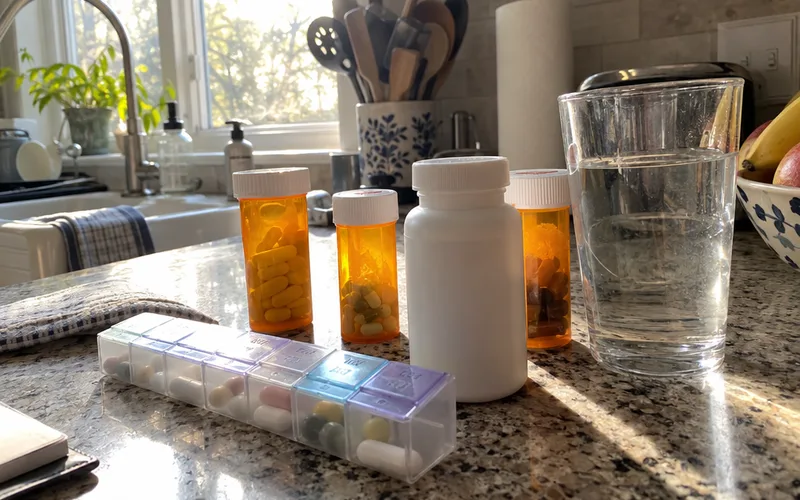
So if you take a blood thinner or any daily prescription, talk to a pharmacist before you start a Boswellia supplement. Here’s what to say:
“I want to try a boswellia pill, which is made from frankincense. Here’s the label. Could it interact with anything I take?”
That quick question costs nothing and can catch an interaction the label never mentions.
Warning Signs That Mean Stop and Get Help
A serious allergic reaction to frankincense is less common, but swelling of the face, lips or throat, trouble breathing or widespread hives need emergency care. Call 911 right away if you notice any of them.
If someone swallows frankincense oil, call Poison Control at 800-222-1222, even if they seem fine. For a milder rash or itch, follow the steps for treating allergic reactions and stop using the oil.
Key Takeaway: Trouble breathing or a swelling face is never a wait-and-see symptom.
The Bottom Line
Frankincense is low risk for most adults when it’s diluted on skin or diffused, and the real trouble starts with undiluted oil and swallowing it.
Before your first use, do a 24-hour patch test with diluted oil. The same habit sits at the heart of essential oil safety for every bottle you own.
Frequently Asked Questions
Can frankincense oil cause toxicity?
Yes, frankincense oil can cause harm when it’s swallowed or used undiluted, with stomach upset and skin burns as the usual problems. If someone swallows the oil, call Poison Control at 800-222-1222.
Is it safe to diffuse frankincense oil?
Diffusing is the lowest-risk way to use frankincense, because the oil never touches your skin or reaches your stomach. If you’re pregnant, breastfeeding or prone to allergic reactions, skip it anyway, since Medical News Today’s caution covers essential oils too.
How much boswellia per day is safe?
No safe daily dose of boswellia or frankincense has been set, and RxList says there isn’t enough scientific information to name a dose range. Follow your product’s label and check with a pharmacist before you start.
Can I use too much frankincense oil on my skin?
Yes, using too much frankincense oil on your skin raises the odds of redness, a rash or a burning feeling. Go back to a diluted amount, and wash off any spot that stings.