

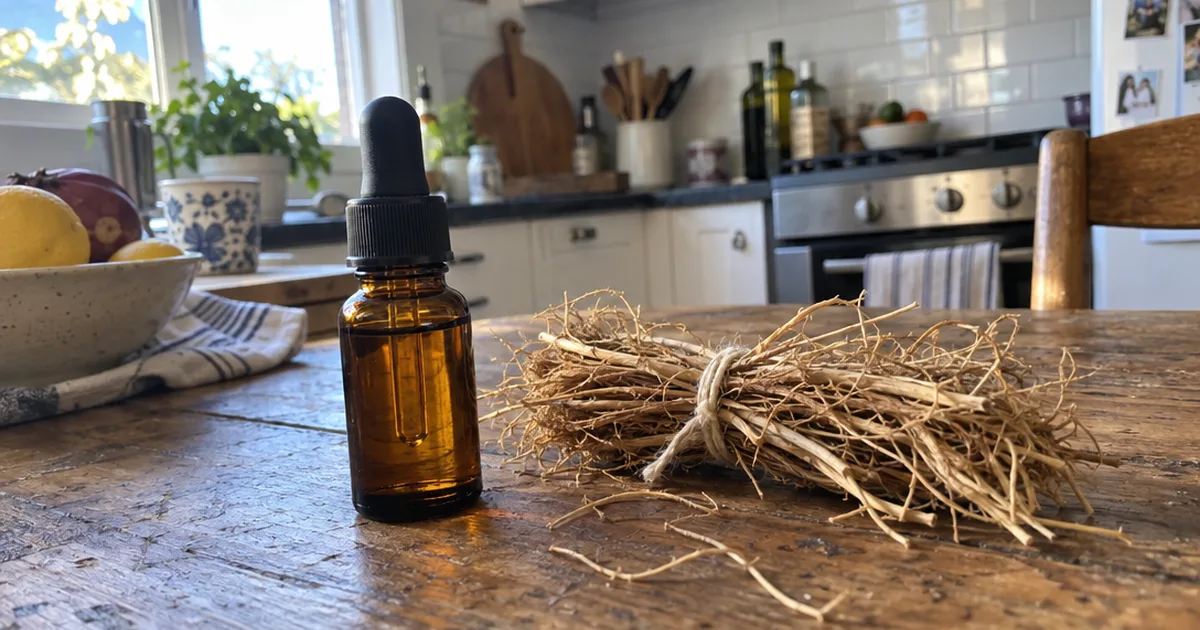
One famous perfumer’s trick for smelling vetiver: picture a sack of potatoes.
Perfumer Jean Kerléo gave that image to The Perfume Society’s co-founder, Jo Fairley, when she smelled vetiver from a perfumer’s vial.
It sounds odd, but it nails the damp, earthy heart of the vetiver smell.
So why does one bottle smell like cut grass and another like a campfire?
Here’s the plain answer, plus how to smell it for yourself before you buy.
What Does Vetiver Smell Like?
Vetiver smells earthy, damp, woody and smoky all at once, which is how The Perfume Society’s ingredient guide sums it up. Most noses pick up wet soil and dry grass first, then a dry, slightly bitter wood.
That mix is why it’s so hard to pin down in one word.
Perfume makers and fragrance fans usually break the aroma into these layers:
- Earthy: wet soil and the dirt on freshly dug roots.
- Green: dry hay or freshly cut grass.
- Woody: a dry, slightly bitter backbone.
- Smoky: a faint smoke or leather in darker oils.
- Bright: a thin edge of citrus or lemongrass on top.
Not every bottle shows all five.
If you’ve only seen “vetiver” on a perfume notes list, expect damp soil and dry grass, not flowers or sugar.
Why Vetiver Smells Like Soil and Roots
Vetiver smells like soil because its scent comes from the roots of a perennial grass, also called Khus-khus grass, and not from a tree. The Perfume Society notes that this dry smell comes from the roots of a perennial grass rather than a wood.
That surprises a lot of people, since perfume lists usually file it with the woody notes.
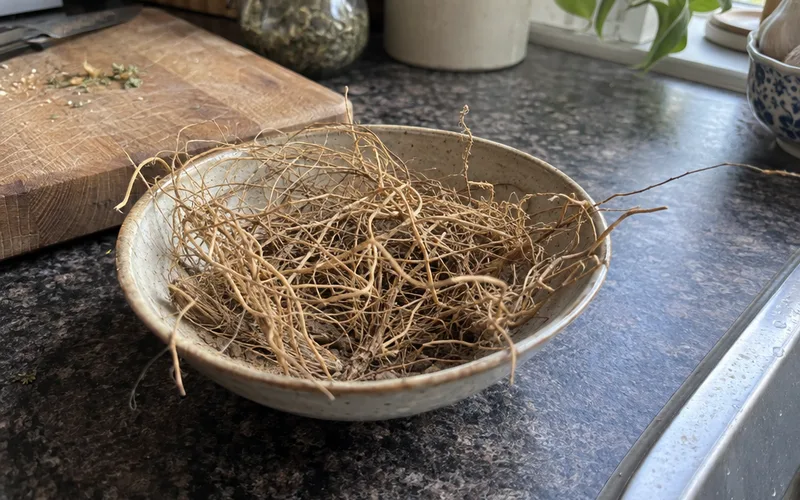
The plant is Chrysopogon zizanioides, a tall grass.
Those roots are the raw material: growers dig them up, dry them and distill them into vetiver essential oil. In other words, the earthy smell is the smell of a root that grew in wet ground.
Where Vetiver Grows
Vetiver grows best in wet, tropical regions, and the same guide names India, Brazil, Malaysia and the West Indies. It likes marshy ground and riverbanks with heavy rain.
Even the dry grass carries the scent.
In some hot places, people weave the grass into blinds and mats. They give off a scent when the breeze passes through or someone walks on them.
Key Takeaway: Think of vetiver as a root with a smell, not a wood, and its soil-like aroma makes sense.
How Haitian, Javanese and Indian Vetiver Smell Different
Vetiver smells different depending on where it grows. Haitian vetiver is usually described as cleaner and greener, Javanese vetiver from Indonesia as darker and smokier, and Indian khus as sharper.
That’s why two bottles with the same name can smell so far apart.
Haitian is the type you’ll meet most often, and the Society calls it probably the most famous type of vetiver.
For the softer, greener style, start with Haitian vetiver oil and check the label for the country of origin.
So if one bottle smelled like a smoky campfire, try one from another place before you give up on it.
What Vetiver Essential Oil Smells Like on Its Own
Vetiver essential oil on its own smells heavier and earthier than vetiver in a finished perfume, with damp soil and dry wood up front. The raw oil has nothing brighter on top to soften its rooty side.
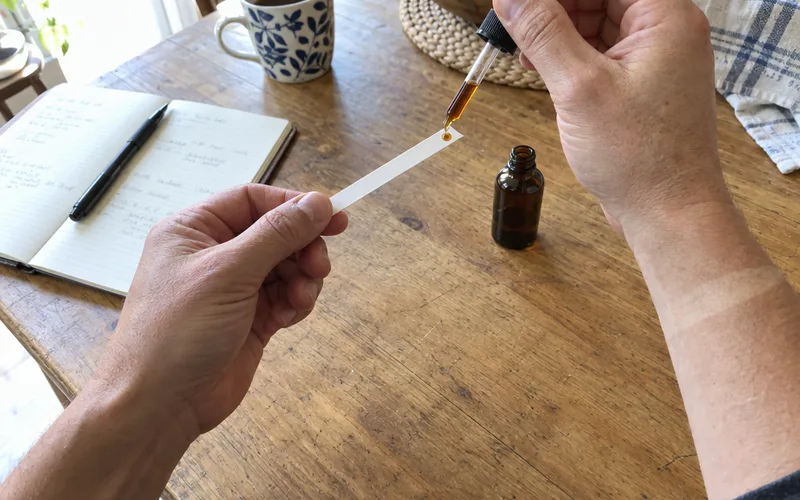
Raw vetiver from a vial is the “sack of potatoes” smell Kerléo described.
Here’s how to smell it fairly:
- Put 1 drop on a paper strip or cotton ball, not on your skin.
- Smell it right away, then again later in the day.
- Notice how the grassy top fades and the woody, earthy base stays.
To wear it, mix it into a carrier oil at a safe dilution ratio first. Read the basic essential oil safety rules before it touches your skin.
Note: Smell a new oil before you buy a big bottle for its reported vetiver benefits, since you’ll only use it if you like the scent.
Why Vetiver Lasts So Long in Perfume
Vetiver lasts a long time in perfume because it works as a fixative in the base, the slow-drying layer that holds a blend together. The Perfume Society says vetiver appears very widely in the base of fragrances for that reason.
The Society adds that nobody seems to have made a good synthetic swap for it yet.
So when a vetiver perfume dries down on your wrist, the earthy trail you smell last is usually the root oil itself.
Why Some People Think Vetiver Smells Bad
Vetiver smells bad to some people because its damp, earthy, root-like side can read as plain dirt. That’s a shock to a nose expecting flowers or sugar, and the raw oil makes it stronger.
Even perfumer Jean Kerléo compared raw vetiver to a sack of potatoes, and fragrance forums are full of people asking why anyone would want to smell like grass.
The fix?
Try the note in a blend before you judge the raw oil, since citrus and lighter woods round off its soil-like edge.
In other words, a scent you hate straight from the vial can be one you love in a balanced blend.
Is Vetiver a Masculine or Feminine Scent?
Vetiver is a unisex scent: men’s colognes have relied on it for a long time, and perfumers now use it in women’s and shared fragrances too.
The blend around it decides how masculine or feminine a perfume feels.
Paired with citrus, it tends to read fresh and clean, while smoke, leather or spices make it darker.
Pick a vetiver perfume by its other notes, not by whether it’s sold “for him” or “for her.”
What Smells Similar to Vetiver?
Vetiver is most often compared with patchouli, cedarwood and sandalwood, earthy and woody base notes that perfumers love to blend with it. None smells quite the same, because vetiver’s scent comes from grass roots rather than a wood, which gives it a damper edge.
Patchouli comes closest in mood, since both are deep and earthy, and the patchouli smell breakdown compares them in detail.
Cedarwood and sandalwood are true woods, so they skip vetiver’s damp soil note, as you’ll see in how cedarwood actually smells.
The sandalwood vs. cedarwood comparison then shows how those two woods differ from each other.
What Scents Go Well With Vetiver?
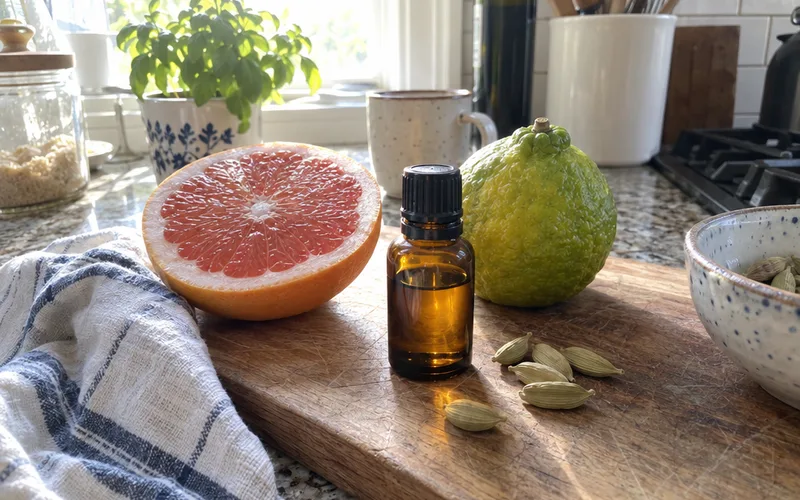
Vetiver goes well with citrus such as bergamot and grapefruit, spices such as cardamom and pepper, woods such as sandalwood and cedarwood, and patchouli. Perfumers also pair it with rose, iris, vanilla and tobacco.
Each partner pulls the blend in a different direction:
- Citrus lifts the heavy soil and makes the blend feel fresh.
- Spices add warmth on top of the dry wood.
- Woods stretch the base so the blend lasts longer.
- Flowers and vanilla soften the bitter, rooty edge.
For a bright pairing, bergamot’s citrus scent is the classic choice. On the deep side, sandalwood’s woody aroma is a classic base partner.
Start with citrus if the raw oil felt too earthy for you.
Perfumes Where You Can Smell Vetiver
The easiest perfumes for learning the vetiver smell are ones built around it, such as Guerlain Vetiver, Creed Vetiver and Frederic Malle Vetiver Extraordinaire.
The Perfume Society suggests these to smell vetiver in:
- Creed Vetiver
- Frederic Malle Vetiver Extraordinaire
- Guerlain Vetiver
- Lancôme Hypnôse
- Les Exclusifs de Chanel Sycomore
- Escentric Molecules Molecule 03
Ask for a tester or sample before you buy a full bottle.
Spray it on a paper strip and your skin, then smell both a few hours later. That’s how you tell the earthy base from the brighter top notes.
Your Next Step With Vetiver
Vetiver smells like damp soil, dry grass and a little smoke, because it’s a root.
This week, smell one vetiver perfume or a drop of the oil on a paper strip.
Then compare it with the other oils in our essential oil profiles.
Frequently Asked Questions
Is vetiver the same as sandalwood?
No, vetiver is not the same as sandalwood: vetiver’s scent comes from the roots of a perennial grass, while sandalwood is a wood. Both work as warm base notes, so perfumers often blend them, but vetiver smells damper and earthier.
Does vetiver smell like patchouli?
Vetiver smells a little like patchouli because both are deep, earthy base notes, but vetiver carries its own grassy, rooty edge. Perfumers pair the two so often that you’ll find them together in many woody blends.
Does vetiver smell like bergamot?
No, vetiver does not smell like bergamot: bergamot is a bright citrus note, and vetiver is an earthy root note. Perfumers often put bergamot on top of vetiver so the citrus lifts the soil-like base.
Does vetiver smell good?
Vetiver smells good to people who enjoy earthy, woody scents, and it is one of the most widely used base notes in perfume. If raw vetiver smells like dirt to you, try it in a blend with citrus first.